Turkey, historically known as Asia Minor, is biblically important as it was a central region for the spread of early Christianity. The Apostle Paul conducted many of his missionary journeys here, establishing churches in cities like Ephesus, Galatia, and Antioch, which are frequently mentioned in the New Testament.
The Book of Revelation addresses the seven churches of Asia, all located within modern-day Turkey. Additionally, Turkey is connected to key biblical figures, such as the Apostles Paul, Peter, and John, making it a land rich in Christian heritage and significant for its early role in shaping the faith.
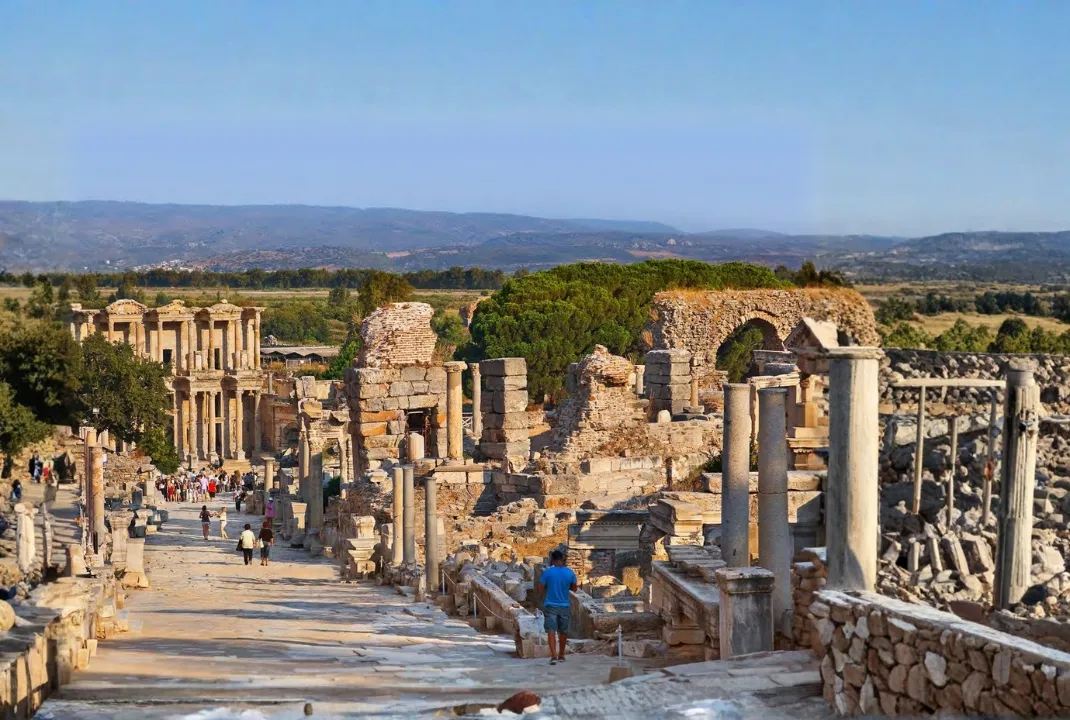
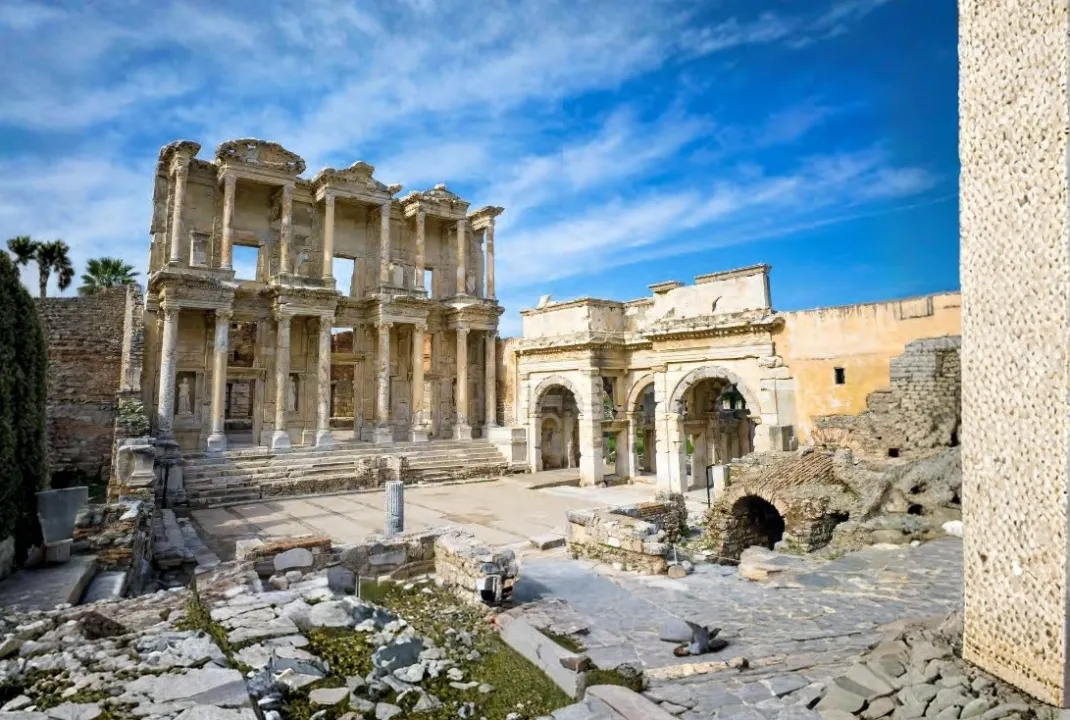
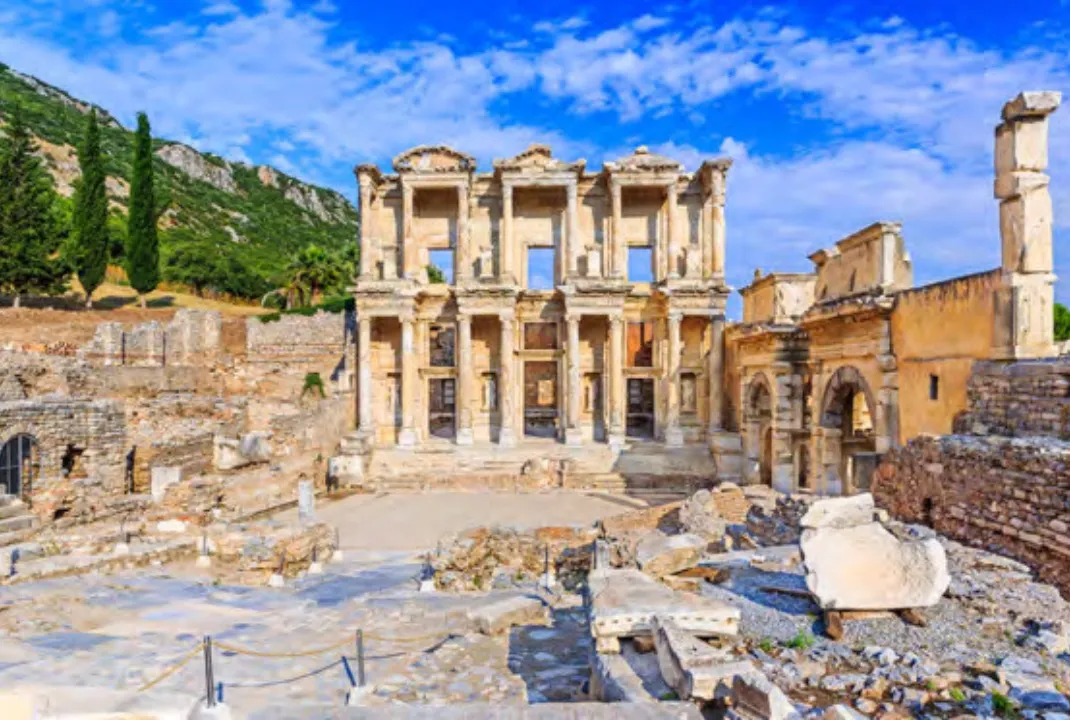
Ephesus
Ephesus, one of the Seven Churches of Revelation, is home to the ancient Temple of Artemis and the House of the Virgin Mary, where Mary is believed to have spent her last days. It is also where the Apostle Paul preached and wrote his famous letter, the Book of Ephesians.
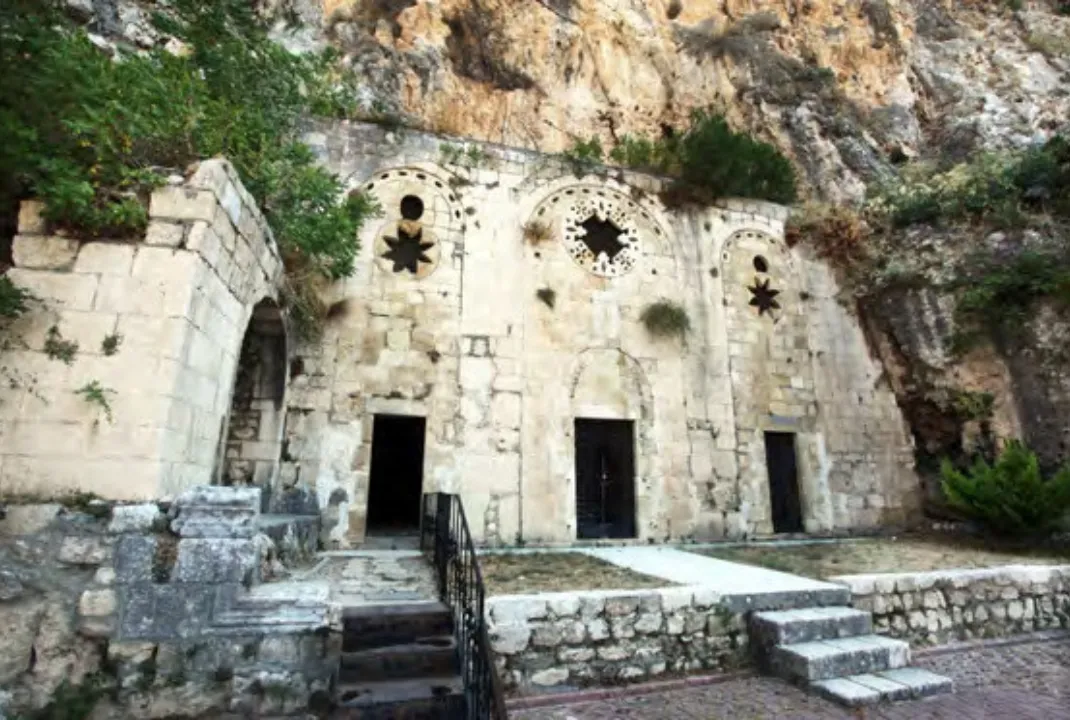
Antioch
Antioch, now modern-day Antakya, is where followers of Jesus were first called Christians. It served as a crucial hub for early Christian missionary work, including the journeys of Paul and Barnabas.
Cappadocia
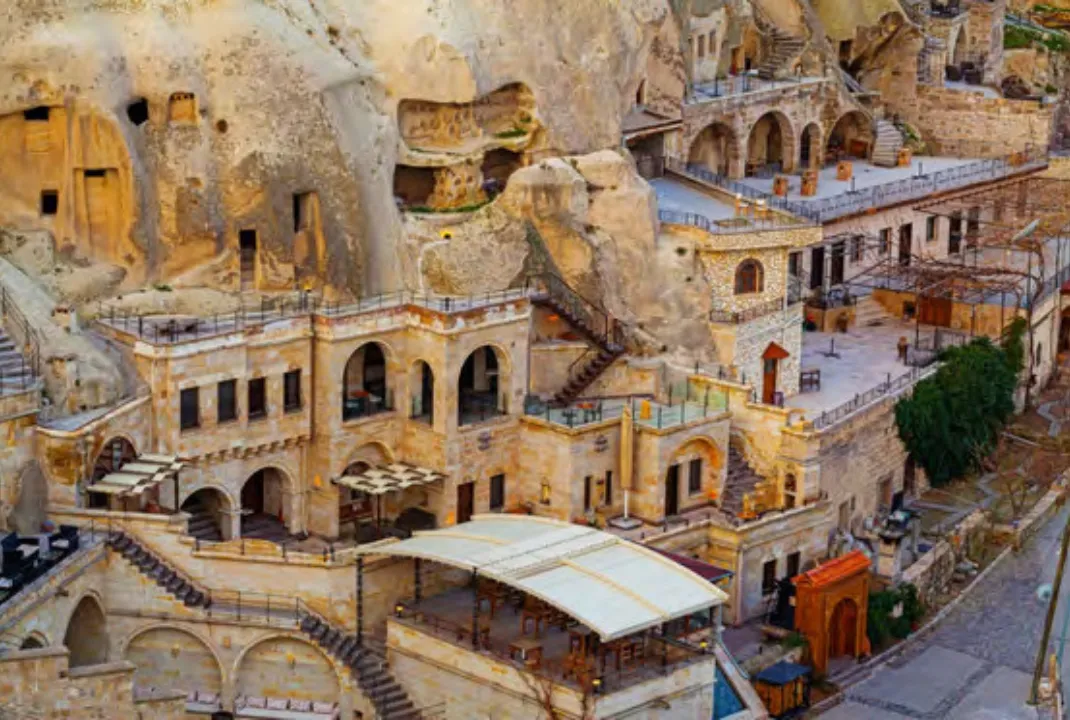
This region is famous for its early Christian cave churches, monasteries, and underground cities. During Roman persecution, Cappadocia was a refuge for Christians, and its unique landscape still features well-preserved frescoes depicting biblical scenes.
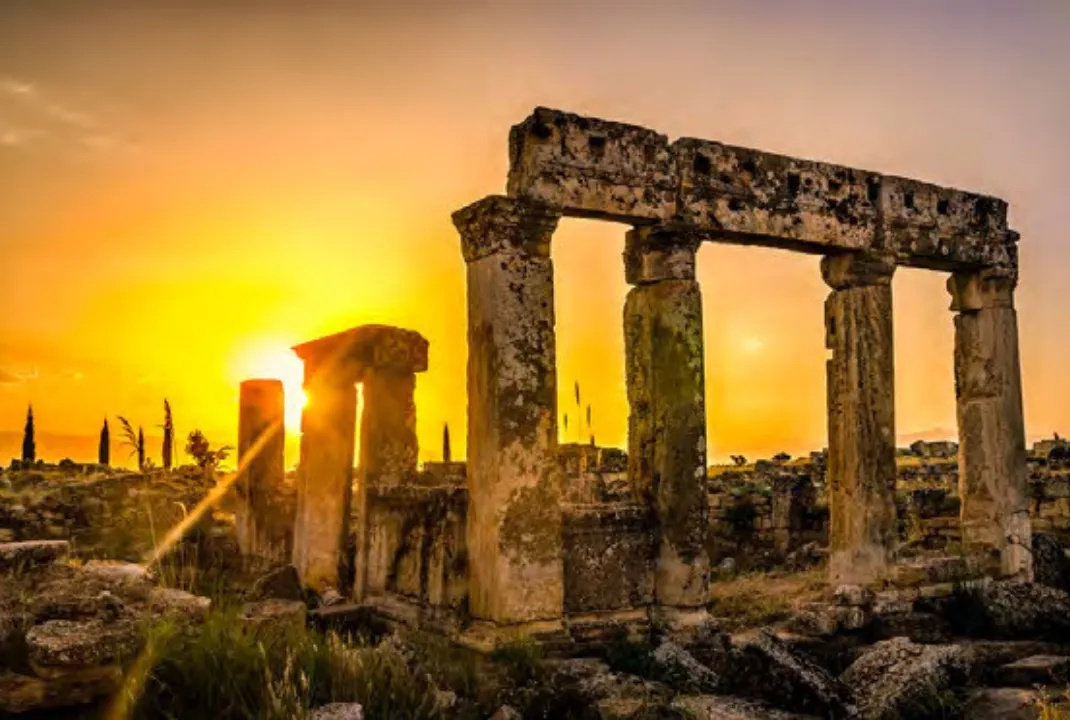
Laodicea
Another of the Seven Churches of Revelation, Laodicea, is known for its lukewarm faith, as referenced in the Bible. The city’s ruins include ancient churches, theaters, and a stadium that offer insight into its significance in early Christianity.
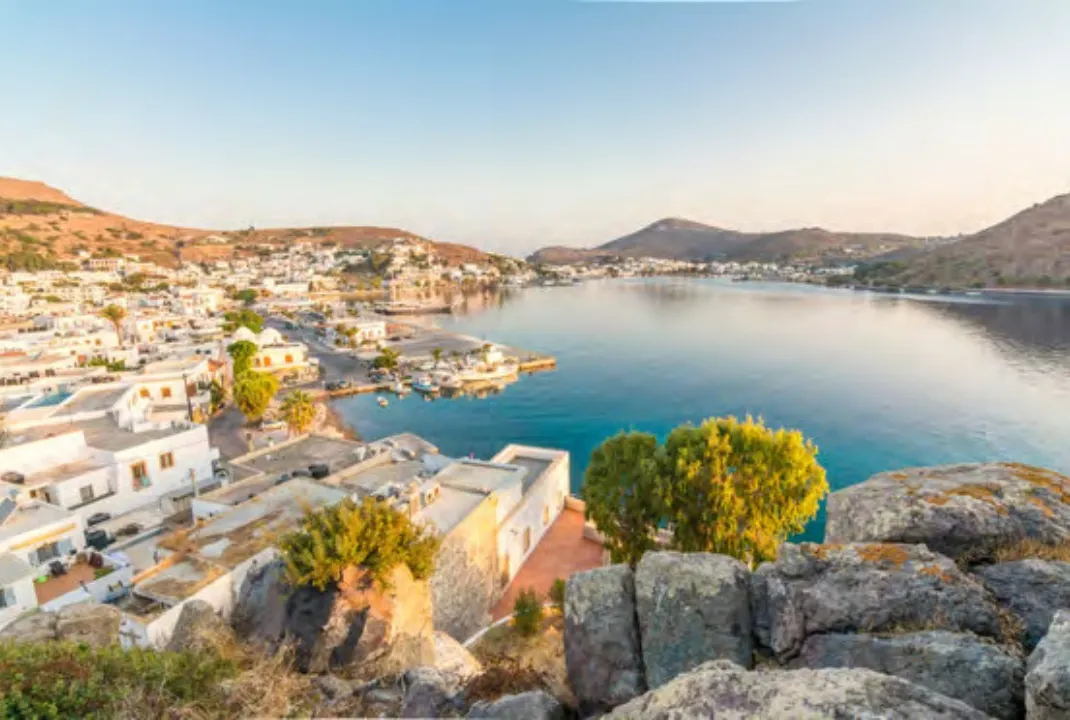
Patmos
Though not on the mainland, Patmos is where the Apostle John is said to have written the Book of Revelation. This island has strong ties to early Christian history and is considered sacred by many pilgrims.